 Skip to content
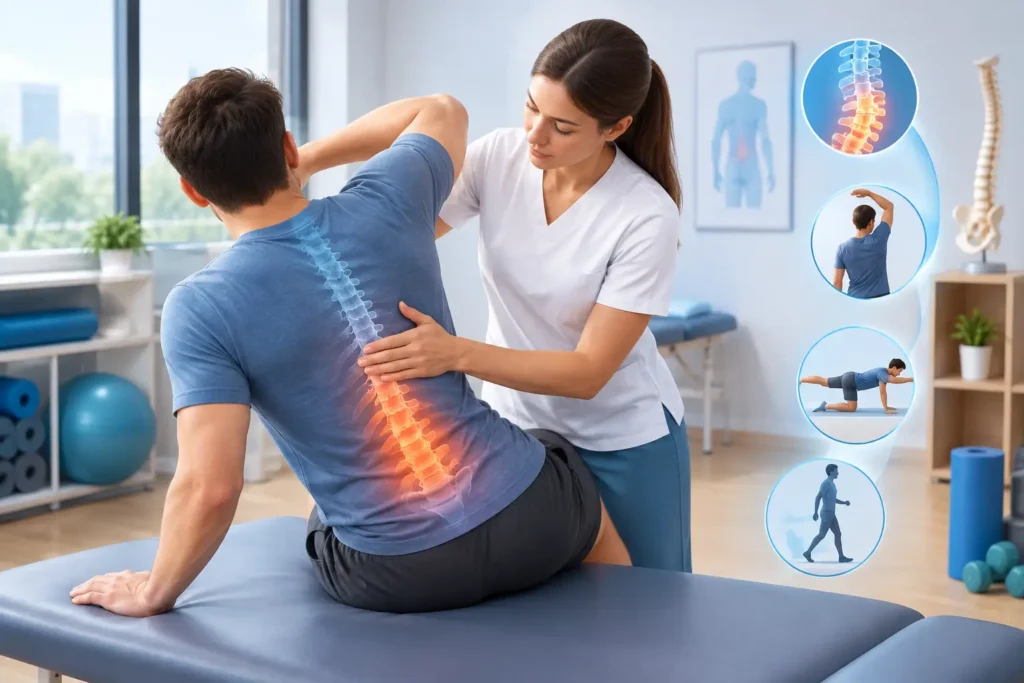
Persistent back pain has a way of shrinking everyday life. The walk to the station, a full day at a desk, lifting a child or simply turning in bed can become something to plan around. Effective chronic back pain therapies are not about chasing a quick fix. They begin by understanding what is driving your symptoms, then building a focused plan to reduce pain, restore movement and help you return to the activities that matter.
For many people, the most frustrating part is having tried exercises, painkillers or repeated massage without a lasting change. That does not mean your back cannot improve. It often means the original problem has not been assessed in enough detail, or the treatment plan has not progressed as your body and confidence have changed.
Why chronic back pain needs a tailored assessment
Back pain is a symptom, not a single diagnosis. It may relate to irritated joints, disc changes, muscular overload, spinal stiffness, nerve sensitivity, hip or pelvic mechanics, or a combination of factors. Stress, poor sleep, a previous injury and understandable fear of movement can also amplify pain and make recovery feel harder.
A specialist musculoskeletal assessment looks beyond the spot that hurts. It considers when your symptoms began, what brings them on, whether pain travels into the leg, your work and activity demands, previous treatment, medical history and your goals. A runner hoping to return to training needs a different plan from someone who wants to sit comfortably through meetings or manage the stairs at home.
Physical examination helps identify movement restrictions, strength deficits and patterns of sensitivity. Where appropriate, diagnostic ultrasound can provide fast, accurate insight into surrounding soft tissues and joints. It is not needed for every case, and it cannot show every structure in the spine, but it can be valuable when symptoms suggest a problem outside the spine itself, such as the hips, gluteal tendons or sacroiliac region.
The best treatment plan should explain what is likely contributing to your pain, what can realistically improve, and how progress will be measured. That clarity matters. When you understand why a particular exercise, hands-on treatment or procedure is being recommended, it is easier to take an active role in recovery.
Chronic back pain therapies with a clear purpose
There is no universal treatment that works for every person with persistent back pain. The strongest approach is usually a combination of therapies, delivered at the right time and adjusted according to your response.
Physiotherapy and progressive rehabilitation
Physiotherapy is often central to long-term back pain management because it addresses function, not only pain. Early treatment may focus on reducing stiffness, settling irritable symptoms and finding movements you can tolerate. As symptoms improve, rehabilitation should become more specific: building trunk, hip and leg strength; improving mobility where needed; and gradually exposing you to the tasks you have been avoiding.
This is not simply a sheet of generic exercises. A useful programme reflects your current capacity and your daily life. For example, someone whose pain flares after gardening may need work on sustained bending, lifting and pacing. Someone who struggles after sitting may benefit from movement breaks, hip mobility and progressive tolerance to seated work rather than being told never to sit.
Progress is rarely completely linear. A temporary flare-up does not automatically mean damage has occurred or that exercise has failed. The aim is to learn which changes are expected, when to modify activity, and when to progress with confidence.
Hands-on treatment, acupuncture and dry needling
Manual therapy, osteopathy, massage, acupuncture and dry needling may help reduce muscle tension, improve short-term movement and make it easier to begin rehabilitation. For some patients, this relief is the turning point that allows them to move more freely and engage with exercise again.
These treatments work best as part of a broader plan rather than as a standalone weekly routine with no defined goal. If hands-on treatment gives you two days of relief but your function remains unchanged, the plan may need to shift towards active rehabilitation, load management or a more detailed diagnostic review.
Acupuncture and dry needling can be considered when muscular pain, guarding or local sensitivity is prominent. Response varies between individuals, so treatment should be reviewed against meaningful outcomes such as improved sleep, easier walking or less pain during work – not simply whether the area feels temporarily looser.
Pilates, hydrotherapy and supported movement
When conventional gym-based exercise feels daunting, Pilates and hydrotherapy can offer a supported route back to movement. Pilates can improve body awareness, control, strength and confidence, particularly for people who feel guarded or uncertain about bending and lifting. Hydrotherapy reduces the effect of body weight and can make walking, strengthening and mobility work more comfortable for those with significant pain or reduced fitness.
Neither option is automatically better than land-based rehabilitation. The right choice depends on your symptoms, preferences, access and goals. The key is that the programme progresses rather than keeping you at the same gentle level indefinitely.
Image-guided injections and interventional pain treatment
For selected patients, an ultrasound-guided injection may be considered when there is a clear, localised pain generator and conservative care has not provided enough relief. Injections can be used around certain joints, bursae or soft tissues to settle inflammation and create a window for more effective rehabilitation.
They are not a cure for every type of back pain, and they should not replace strengthening, movement retraining or lifestyle changes where these are needed. Their value lies in precision and timing. Image guidance helps the clinician place treatment accurately, while a clear rehabilitation plan helps turn short-term symptom relief into lasting functional improvement.
Extracorporeal shockwave therapy may also have a role when persistent tendon-related pain around the hip or pelvis is contributing to what feels like back pain. It is not a general spinal pain treatment, so an accurate diagnosis is essential before it is considered.
Cognitive behavioural therapy for pain
Chronic pain affects more than tissues. It can disturb sleep, concentration, mood and confidence, while worry about pain can lead people to avoid movement altogether. Cognitive behavioural therapy does not suggest that pain is imaginary. It helps you understand the relationship between pain, thoughts, behaviour, stress and activity, then develop practical ways to regain control.
For some people, combining physical rehabilitation with pain-focused psychological support is particularly effective. This is especially true when symptoms have persisted for months, pain is affecting work or sleep, or fear of a flare-up has become a major barrier to activity.
When back pain needs urgent medical attention
Most persistent back pain can be managed with a planned, conservative and evidence-based approach. However, urgent assessment is needed if you develop new bladder or bowel changes, numbness around the groin or inner thighs, rapidly worsening leg weakness, fever or unexplained weight loss, or severe pain after significant trauma. These symptoms require prompt medical review rather than waiting for a routine therapy appointment.
Making treatment work in real life
A successful recovery plan should fit your real schedule, responsibilities and starting point. The person with a demanding commute may need a short home programme and strategies for sitting breaks. An older adult may need balance and leg-strength work alongside pain management. Someone returning to sport may require a more demanding progression involving running, rotational control and impact tolerance.
It also helps to define success properly. Pain reduction is valuable, but function is often the more reliable marker of progress. Can you sleep more comfortably, walk further, carry shopping, return to the gym, travel without excessive worry or play with your children? These changes show that your capacity is growing.
At FAB Clinic, integrated musculoskeletal care brings specialist assessment, hands-on treatment, rehabilitation and advanced interventional options together when appropriate. This means treatment can adapt as your needs change, rather than leaving you to navigate separate services without a joined-up plan.
Persistent back pain can make your world feel smaller, but it does not have to set the limits of it. With an accurate assessment, the right combination of therapies and a plan you can genuinely sustain, each small improvement can become a dependable step back towards the life you want to lead.
