 Skip to content
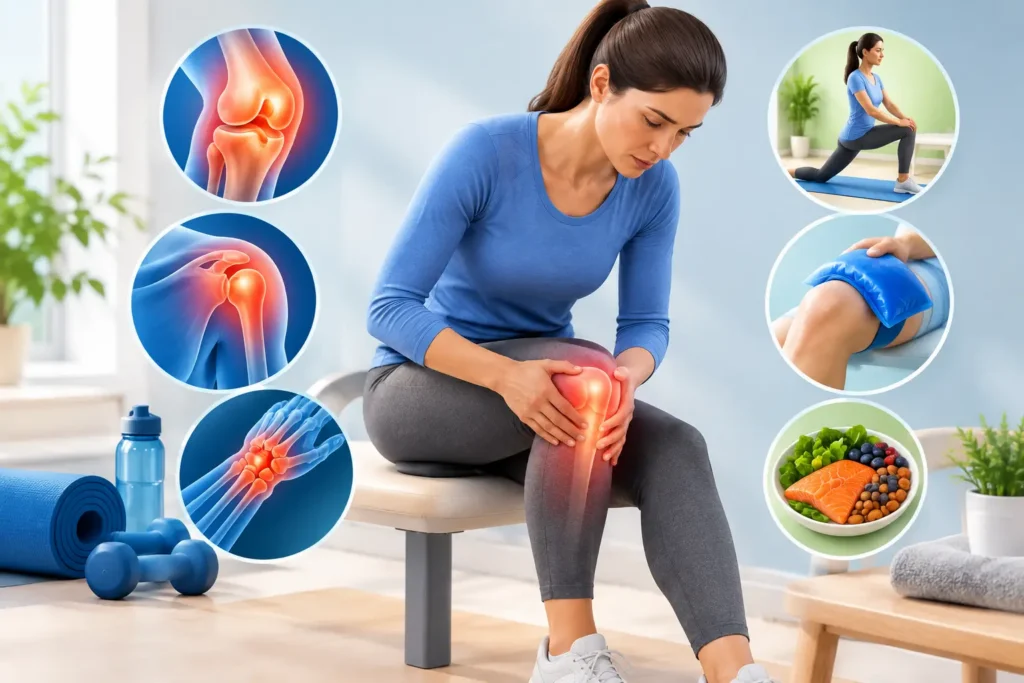
That first struggle to stand after a long meeting, get down the stairs in the morning, or turn your head fully when reversing the car can be more than an inconvenience. Joint stiffness can affect how confidently you move, exercise, work and sleep. For some people it settles with sensible movement and recovery; for others, it is an early sign that the joint, surrounding tendons or muscles need a clearer assessment.
Stiffness is not a diagnosis in itself. It is a symptom, and the best treatment plan depends on where it occurs, how long it lasts, whether there is pain or swelling, and what has changed in your activity, health or injury history. Understanding those details helps avoid the common cycle of resting too much, trying random exercises, and delaying the right care.
What joint stiffness can feel like
People describe stiffness in different ways: a joint that feels rusty, tight, blocked, heavy or difficult to straighten. It may be most noticeable first thing in the morning, after sitting still, following sport, or towards the end of a demanding day. A stiff joint can also make nearby muscles work harder, leading to compensatory pain in another area.
The duration matters. Stiffness that eases after five or ten minutes of gentle movement is often different from stiffness lasting an hour or more each morning. Equally, a sudden loss of movement after a twist, fall or sporting injury deserves more attention than a familiar feeling that improves once you warm up.
Common causes of joint stiffness
Normal inactivity and temporary overload
Joints and soft tissues generally tolerate movement better than prolonged stillness. Sitting at a desk, travelling, sleeping in one position or resting after illness can leave the hips, back, knees, shoulders and neck feeling restricted. This usually improves gradually with regular, comfortable movement.
At the other end of the scale, an abrupt increase in training, gardening, lifting or manual work can irritate tissues around a joint. The joint may then feel stiff as a protective response. Pushing through sharp pain is rarely helpful, but complete rest for days can make the problem feel worse.
Osteoarthritis and age-related joint change
Osteoarthritis is a common cause of recurrent stiffness, particularly in the knees, hips, hands, big toes and spine. It involves changes within the joint that can lead to pain, reduced range of movement and stiffness after inactivity. Symptoms vary considerably: an X-ray may show change without severe symptoms, while a painful joint can look relatively unremarkable on imaging.
The aim is not simply to ‘wear less’. Targeted strengthening, weight management where appropriate, pacing, hands-on treatment and a well-planned return to activity can all improve how a joint functions. Some people may also benefit from imaging-led options for persistent inflammation or pain, depending on the clinical findings.
Injury to muscles, tendons, ligaments or cartilage
Joint stiffness often develops after a sprain, muscle injury, tendon problem or fracture, including when the initial injury seemed minor. Swelling, pain and reduced confidence can encourage the body to guard the area. Over time, this can reduce movement and strength.
A knee that will not fully straighten after an injury, a shoulder becoming progressively harder to lift, or an ankle that remains restricted weeks after a sprain should not be dismissed as something that will inevitably settle. Accurate diagnosis is particularly valuable when recovery has stalled.
Inflammatory conditions
Some forms of inflammatory arthritis can cause prolonged morning stiffness, pain, warmth and swelling in multiple joints. Stiffness lasting more than 30 to 60 minutes, especially in the hands and feet, may need medical investigation. Fatigue, unexplained weight loss, skin rashes, bowel symptoms or a family history of inflammatory disease can provide further clues.
Physiotherapy can play an important role in maintaining movement and strength, but suspected inflammatory conditions need timely GP or rheumatology input alongside musculoskeletal treatment.
Referred pain and movement restriction elsewhere
The site of stiffness is not always the source of the problem. Hip issues can be felt in the knee, neck problems can restrict shoulder movement, and lower-back pain can alter how the hips and legs move. This is why a high-quality assessment looks at the whole movement pattern rather than treating one painful spot in isolation.
What you can do when stiffness starts
For mild, short-lived stiffness without significant swelling or injury, keep the joint moving within a comfortable range. Short, frequent walks or mobility breaks are usually more useful than one intense session at the end of the day. If desk work is a trigger, changing position regularly and building movement into calls can make a meaningful difference.
Heat can feel soothing for chronic muscular tightness or stiffness after inactivity. A cold pack may be more comfortable after a recent flare-up with swelling or heat. Use either for short periods with a cloth barrier to protect the skin, and stop if symptoms worsen.
Exercise should be matched to the problem. A stiff knee may need progressive work for the quadriceps, glutes and calf, while a stiff shoulder often requires a careful balance of mobility and strengthening rather than forceful stretching. Generic online routines can be useful for some people, but they can also aggravate an irritated tendon, inflamed joint or undiagnosed injury.
Pain relief may help you stay active, but it is worth checking with a pharmacist or clinician before taking anti-inflammatory medication, particularly if you have asthma, stomach ulcers, kidney disease, heart disease, are on blood-thinning medication, or are pregnant.
When joint stiffness needs specialist assessment
If stiffness persists for more than a few weeks, keeps returning, limits everyday tasks, or is stopping you from exercising normally, an assessment can provide fast, accurate insight. The priority is to establish what is driving the restriction and what is safe to load.
At FAB Clinic, specialist clinicians can combine a detailed physical examination with diagnostic ultrasound where appropriate. Ultrasound can help assess structures such as tendons, bursae and fluid around accessible joints in real time. It is not required for every problem, but it can be highly useful when symptoms and examination findings need further clarification.
Your treatment plan may include targeted physiotherapy, osteopathy, rehabilitation, acupuncture or dry needling, massage, Pilates-based exercise, hydrotherapy or shockwave therapy, depending on the diagnosis. For selected conditions, ultrasound-guided injections may be considered to manage inflammation or pain and make rehabilitation more achievable. An injection is not a substitute for restoring strength and movement, but it can be a valuable part of a broader recovery plan when used for the right reason.
Red flags: when to seek urgent help
A painful, hot, swollen joint with fever, feeling unwell or rapidly worsening symptoms needs urgent medical assessment, as joint infection must be ruled out. Seek urgent care after a significant injury if the joint looks deformed, you cannot bear weight, you have numbness or weakness, or there is severe swelling.
Sudden calf swelling, chest pain or shortness of breath also require urgent medical attention. These symptoms are not typical simple stiffness and should not be managed with exercise or massage.
Build movement back with a plan
The most effective recovery is rarely about one treatment or one perfect exercise. It is about matching the right intervention to the cause, then progressing activity at a level your joint can tolerate. This may mean temporarily modifying running, gym sessions or work tasks while building capacity in a structured way.
Keep track of patterns: when stiffness occurs, how long it lasts, what improves it, and whether swelling or pain follows certain activities. That information gives your clinician a far clearer starting point and helps measure progress beyond how you feel on one difficult day.
You do not need to accept reduced movement as the price of getting older, working at a desk or staying active. With the right assessment and a focused recovery plan, many stiff joints can become more comfortable, stronger and easier to trust again.
