 Skip to content
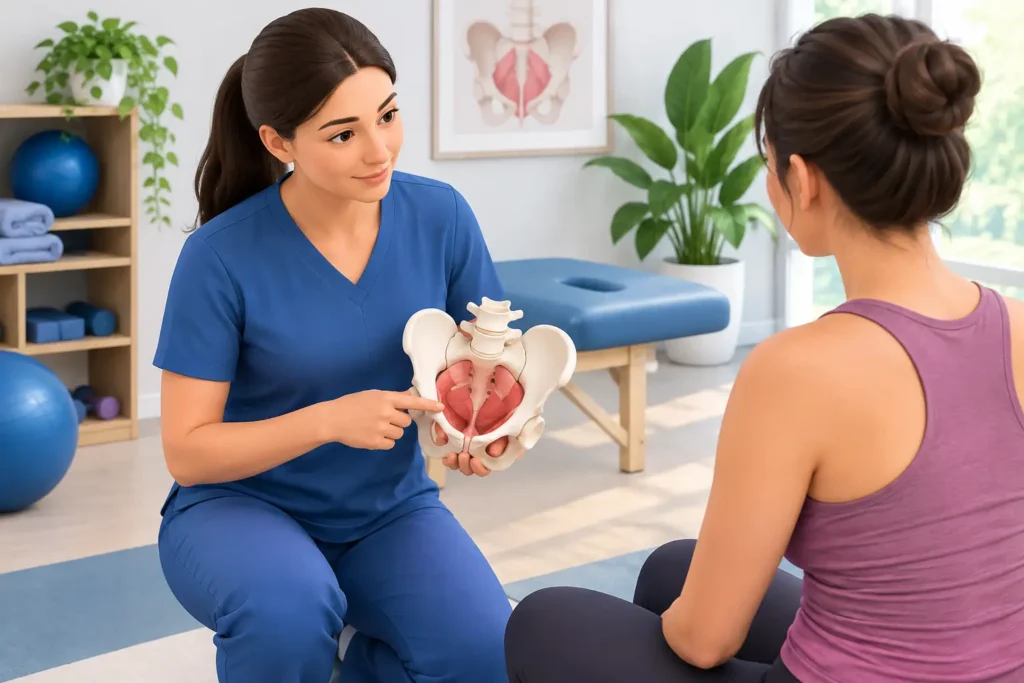
Leaking when you run for the train, avoiding exercise because of pelvic pain, or feeling a heavy sensation that will not settle can affect far more than your physical comfort. This guide to pelvic health physiotherapy explains how specialist care can identify what is driving your symptoms and create a clear route back to confident movement.
Pelvic health concerns are common, but they are not something you simply have to put up with after pregnancy, during menopause, following surgery or as you get older. The right assessment matters because similar symptoms can have very different causes. A personalised plan gives you the best opportunity for lasting relief, rather than relying on generic pelvic floor exercises that may not suit your body.
What pelvic health physiotherapy can help with
Pelvic health physiotherapy focuses on the muscles, joints, connective tissues and nerves around the pelvis, abdomen and lower back. These structures work together to support the bladder, bowel and pelvic organs, contribute to sexual function, and provide stability during everyday movement and exercise.
People seek treatment for bladder or bowel leakage, urgency, constipation, pelvic organ prolapse symptoms, pelvic pain, pain during sex, and pregnancy or postnatal recovery. It can also help with symptoms that are often overlooked, including persistent hip, tailbone or lower back pain where pelvic floor tension or poor load transfer may be involved.
Men can benefit too. Pelvic health physiotherapy may form part of care for pelvic pain, urinary symptoms following prostate treatment, erectile dysfunction linked to pelvic floor dysfunction, and pain around the groin or perineum. Your treatment should never be based on assumptions about age, gender or fitness level.
Your guide to pelvic health physiotherapy assessment
A thorough first appointment is the foundation of effective care. Your physiotherapist will ask about your symptoms, medical history, activity levels, work demands, pregnancy and birth history where relevant, and the impact the problem is having on daily life. Questions about bladder, bowel and sexual health can feel personal, but honest answers help create a precise treatment plan.
The physical assessment may include looking at breathing patterns, posture, abdominal control, hip movement, spinal mobility and how you squat, walk or exercise. The pelvic floor does not work in isolation. Tight hips, a painful back, scar tissue, breath-holding during effort or a change in training volume can all influence pelvic symptoms.
An internal vaginal or rectal examination may be offered when clinically appropriate, as it can provide useful information about muscle strength, coordination, relaxation and tenderness. It is never compulsory. Your physiotherapist should explain why it may help, gain your informed consent, and offer alternatives or stop at any time if you are uncomfortable. You can also ask about a chaperone.
This assessment is not about chasing a single finding. For example, leakage can occur because the pelvic floor is weak, but it can also happen when the muscles are overactive and unable to respond well to pressure. Pelvic pain is similarly complex. The best treatment plan reflects the full picture rather than treating every problem with more squeezing exercises.
What treatment usually involves
Treatment is practical, progressive and tailored to your goals. If you want to return to running, lift your child without pain, reduce urgency on long commutes or feel comfortable during intimacy, those outcomes should shape your rehabilitation.
Building control, not just strength
Pelvic floor exercises can be highly effective when they are prescribed correctly. You may need to improve the strength and endurance of the muscles, but you also need to learn how to relax them fully and coordinate them with your breathing. Your physiotherapist may use verbal cues, hands-on assessment or biofeedback to help you understand the movement.
Technique is more important than doing a high number of repetitions. Bearing down instead of lifting, clenching the buttocks, holding your breath or practising while the muscles are already fatigued can make symptoms worse or simply fail to address the issue.
Reducing pain and muscle tension
For pelvic pain, the priority is often to settle protective muscle guarding and improve tolerance to movement before introducing strengthening work. Treatment may include education about pain, breathing strategies, gentle manual therapy, mobility work and graded exposure to activities that have become difficult.
If pain has been persistent, sleep, stress and fear of movement can increase muscle tension and sensitivity. This does not mean the pain is imagined. It means a complete recovery plan may need to address both the local tissues and the wider factors keeping the nervous system on alert. Where appropriate, an integrated clinic can coordinate physiotherapy with wider pain management support.
Restoring confidence after pregnancy or surgery
Recovery after childbirth, gynaecological surgery, prostate treatment or abdominal surgery varies considerably. Some people need help with scar sensitivity, abdominal wall recovery or returning to impact exercise. Others need support managing prolapse symptoms, pressure or leakage.
A gradual programme should build from comfortable walking and everyday lifting to the specific demands of work, sport or caring responsibilities. High-impact exercise is not automatically off limits, but timing and progression matter. A runner may be ready to start light jogging before they are ready for sprints, hills or long distances.
Improving bladder and bowel habits
Small changes in daily habits can make a meaningful difference. Your physiotherapist may advise on fluid intake, caffeine, toilet posture, avoiding unnecessary ‘just in case’ trips to the loo, and managing constipation. These recommendations are individual. Reducing fluids too aggressively, for instance, can irritate the bladder and make urgency worse.
When to seek specialist advice
Book an assessment if symptoms are affecting exercise, sleep, work, relationships or confidence, or if they have not improved with self-directed exercises. Early advice can prevent compensatory habits from becoming entrenched, but it is never too late to seek help for a long-standing problem.
Some symptoms need urgent medical assessment rather than routine physiotherapy. Seek prompt advice for new loss of bladder or bowel control with severe back pain, numbness around the genitals or inner thighs, inability to pass urine, unexplained vaginal or rectal bleeding, fever, or severe and rapidly worsening pelvic pain. Your GP, urgent care service or A&E can advise on the appropriate next step.
Making progress between appointments
Pelvic health rehabilitation works best when it fits into real life. A short, well-performed programme completed consistently is usually more valuable than an ambitious routine abandoned after a week. Your physiotherapist should explain what you are doing, how often to do it and which changes suggest that the programme needs adjusting.
Keep track of meaningful markers, such as how far you can walk without urgency, whether you can cough without leaking, how long you can sit comfortably, or how you feel after a Pilates class. Symptoms can fluctuate, especially around hormonal changes, stressful periods or increases in activity. A temporary flare does not always mean harm, but it is useful information for adjusting your pace.
Avoid judging progress solely by whether every symptom has disappeared immediately. Improved control, fewer urgent toilet visits, less pain after activity and greater confidence are all signs that your body is responding. For many conditions, progress is measured in weeks and months rather than days.
Choosing the right pelvic health physiotherapist
Look for a clinician with specialist pelvic health training who takes time to assess the whole body and explain your options clearly. You should feel listened to, respected and involved in every decision. Good care balances hands-on expertise with an active rehabilitation plan you can use independently.
At FAB Clinic, pelvic health support can sit alongside musculoskeletal physiotherapy and rehabilitation when back, hip, abdominal or movement issues are contributing to your symptoms. This joined-up approach helps ensure treatment is focused on both symptom relief and a stronger return to the activities that matter to you.
Pelvic health symptoms can feel isolating, yet they are treatable for many people. The most useful first step is not to push through discomfort or guess at the right exercise – it is to have a sensitive, specialist assessment and a plan built around your recovery.
